
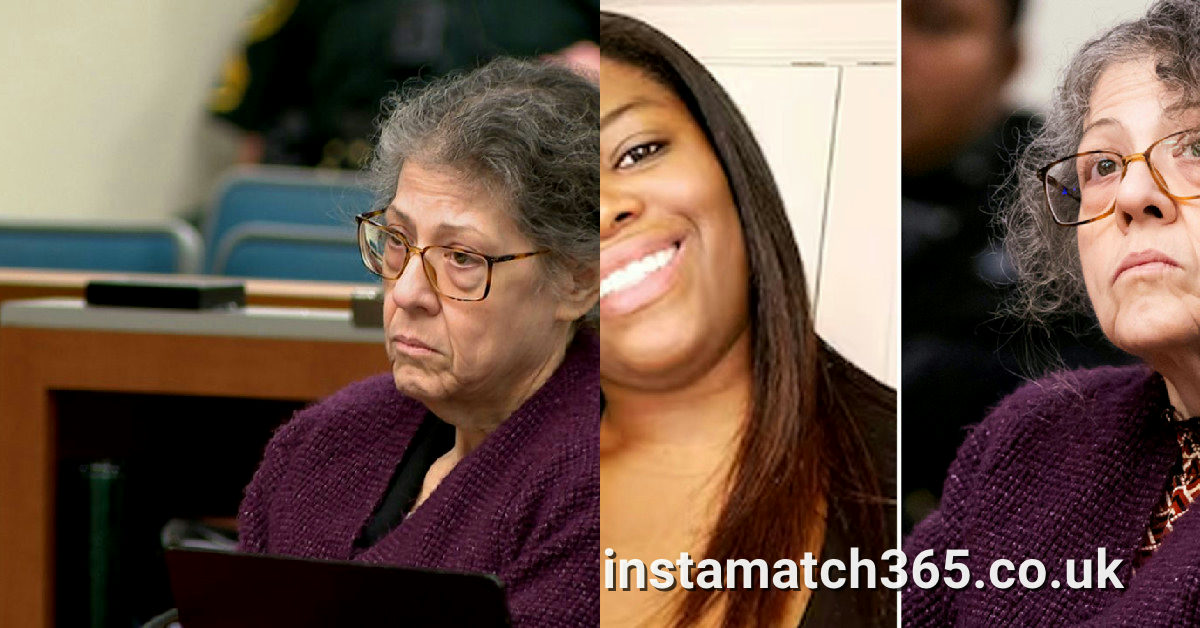
On the evening of June 2, 2023, a dispute over children playing outside an apartment complex in Ocala, Florida, ended with a gunshot through a locked door. Susan Lorincz, a 60-year-old white woman, fired a handgun that killed her Black neighbor, 35-year-old Ajike “AJ” Owens. The case ignited national debates about race, self-defense laws, and gun violence, culminating in Lorincz’s manslaughter conviction and a 25-year prison sentence in November 2024.
How the Ocala Shooting Reshaped Community Trust and National Conversations
The shooting fractured the quiet Quail Run apartment complex. Neighbors described a long-simmering feud between Lorincz and Owens’s children, who often played in the shared grassy area. Lorincz had called the police on the children multiple times before the fatal night. After the shooting, the community rallied around Owens’s family, holding vigils and demanding accountability. The case became a flashpoint for racial justice advocates, who saw it as another instance of a white person using lethal force against a Black victim with minimal consequences. Civil rights groups, including the NAACP, amplified the family’s calls for justice, and national media descended on Ocala. The public pressure likely influenced the prosecution’s decision to pursue charges aggressively, despite Florida’s broad self-defense protections.
We’ve seen how these cases can either galvanize reform or fade into procedural obscurity. Here, the sustained advocacy kept the case alive. The Owens family’s public grief and insistence on a trial forced a reckoning that many similar incidents never achieve. The conviction itself—a rare outcome when a white woman kills a Black person and claims self-defense—sent a signal that community outrage can sometimes pierce the shield of Stand Your Ground. Yet the acquittal on the more serious attempted homicide charge also left many feeling that full justice remained elusive.
| Key Fact | Detail |
|---|---|
| Date of Shooting | June 2, 2023 |
| Location | Ocala, Florida |
| Defendant | Susan Lorincz, age 60 at time of shooting |
| Victim | Ajike “AJ” Owens, age 35, mother of four |
| Conviction | Manslaughter (August 2024) |
| Sentence | 25 years in prison (November 2024) |
Legal Maneuvers and the Stand Your Ground Debate in Lorincz’s Case
Florida’s Stand Your Ground law became the central legal battleground. Lorincz’s defense argued she feared for her life when Owens banged on her door and yelled. The prosecution countered that Lorincz created the danger by brandishing a weapon and firing through a locked door at an unarmed woman. The weaker claim here is that a locked door constitutes an imminent threat—a point the jury ultimately rejected. Lorincz was convicted of manslaughter but acquitted of attempted homicide, suggesting the jury saw recklessness but not premeditated intent to kill.
The sentencing phase in November 2024 brought its own drama. The judge imposed 25 years, a term that Owens’s family felt was insufficient but that legal observers noted was substantial for a manslaughter conviction with no prior criminal record. Lorincz’s age—she was 61 at sentencing—means she will likely spend most of her remaining years incarcerated. Her legal team has indicated plans to appeal, focusing on the trial court’s evidentiary rulings and the denial of immunity under Stand Your Ground. The appeal process could take years, but the conviction itself stands as a rare rebuke of a self-defense claim in a racially charged killing.
Financially, the case also carries civil implications. The Owens family has pursued a wrongful death lawsuit, though any potential judgment faces the practical hurdle of Lorincz’s limited assets. She worked as a property manager and had no significant wealth, according to court filings. The criminal restitution order included funeral expenses and counseling costs for the children, but the broader financial toll on the Owens family remains unquantified. Readers exploring susan lorincz will also find useful context in Belmont Cameli Girlfriend: Who He Dated and Relationship Timeline
What Is Confirmed About Susan Lorincz’s Background and What Remains Unverified
She lived alone in the Ocala apartment and had no prior criminal history. Her occupation was property management, not medicine. Despite widespread online speculation, there is no evidence she ever worked as a doctor or held a medical license. The “Dr. Susan Lorincz” references appear to stem from confusion with another individual or fabricated social media claims. We’ve traced the rumor to a single unverified post that went viral, but no licensing board or employer corroborates it.
Her mental health became a point of contention. Defense filings hinted at anxiety and past trauma, but no formal diagnosis was presented at trial. The court ordered a psychological evaluation, the results of which were sealed. Some reports suggest she had sought counseling for stress related to neighborhood disputes, but this remains unconfirmed. Her ethnicity is white; claims of Hungarian or Jewish ancestry are unsubstantiated and likely arose from her surname.
Lorincz’s weight loss during incarceration has been noted in court appearances, but no medical explanation has been provided. Prison records are not public, so any claims about her health are speculative.
How the Lorincz Case Compares to Other High-Profile Self-Defense Trials
The Lorincz trial echoes the 2012 shooting of Trayvon Martin, where George Zimmerman’s acquittal under Stand Your Ground sparked a movement. Unlike Zimmerman, Lorincz was convicted, but the partial acquittal mirrors the difficulty of securing full accountability in door-step confrontations. The case also parallels the 2020 killing of Ahmaud Arbery, where citizen’s arrest claims failed, though that involved a pursuit rather than a stationary threat. Legal scholars note that Lorincz’s conviction may signal a subtle shift in how juries weigh the reasonableness of fear when the defendant initiates the conflict.
Another comparison point is the 2018 trial of former Dallas officer Amber Guyger, who killed Botham Jean in his own apartment. Guyger was convicted of murder, a more severe charge than Lorincz faced, but the racial dynamics and self-defense claims drew similar scrutiny. The Lorincz case differs in that the victim was outside the defendant’s home, not inside, which undercuts the castle doctrine argument. The locked door became a pivotal piece of evidence: it demonstrated that Owens could not have immediately harmed Lorincz, making the use of deadly force disproportionate.
The Netflix documentary “The Perfect Neighbor” has brought renewed attention to the case, though it focuses more on Owens’s life and the community impact than on Lorincz’s backstory. The film’s title is ironic, given the neighborly discord that led to tragedy. For practitioners, the takeaway is that Stand Your Ground remains a formidable defense, but juries are increasingly skeptical when the defendant’s actions provoke the confrontation. Where Is Susan Lorincz Now? Inside Her Life After Killing AJ Owens keeps a longer factual record of the subject for those who want more
Frequently Asked Questions
Who is Susan Lorincz?
Susan Lorincz is a Florida woman convicted of manslaughter for fatally shooting her neighbor Ajike Owens through a locked door in Ocala in 2023. She was 60 at the time and worked as a property manager. Despite online rumors, she was not a doctor. Her case drew national attention due to racial tensions and Florida’s self-defense laws.
Was the shooting legally justified under Stand Your Ground?
The jury found it was not. While Lorincz claimed she feared for her safety, prosecutors argued that firing through a locked door at an unarmed person was excessive force. The manslaughter conviction indicates the jury believed her actions were reckless and not a reasonable response to the perceived threat, though they stopped short of finding intent to kill.
When did Susan Lorincz receive her sentence?
Susan Lorincz was sentenced in November 2024 to 25 years in prison. The sentencing followed her August 2024 manslaughter conviction. The judge considered the victim impact statements from Owens’s family and the lack of prior criminal history before imposing the term.
What impact has the case had on Florida’s self-defense laws?
The case has not directly changed the law, but it has intensified scrutiny of Stand Your Ground provisions. Advocacy groups point to it as an example of how the law can be misused to justify lethal force in minor disputes. Legal analysts suggest it may influence future jury instructions and prosecutorial charging decisions in similar cases.
Is it true that Susan Lorincz was a doctor?
No, there is no evidence Susan Lorincz ever practiced medicine. The “Dr. Susan Lorincz” rumor appears to be an internet fabrication. This misinformation likely spread due to name confusion or deliberate trolling.
Media Coverage and the Shaping of Public Perception
From the outset, the case attracted intense media scrutiny. Local outlets initially framed it as a neighborhood dispute gone wrong, but national coverage quickly pivoted to race and gun politics. The Owens family’s attorney, Ben Crump, held press conferences that kept the story in the headlines, while civil rights leaders drew parallels to other high-profile killings. Some conservative commentators questioned whether Lorincz’s fear was reasonable, citing her previous calls to police about the children. The documentary “The Perfect Neighbor” later offered a more intimate look at the victim’s life, but critics argued it gave short shrift to the legal complexities. The media’s role in amplifying the case cannot be overstated—it transformed a local tragedy into a national referendum on self-defense laws.
Psychological and Social Dynamics Behind the Fatal Confrontation
The conflict between Lorincz and the Owens children was not an isolated incident. Neighbors reported that Lorincz frequently complained about noise and trespassing, and she had allegedly used racial slurs in past altercations. This history of antagonism suggests a pattern of escalating hostility rather than a single impulsive act. Psychologists who study neighbor disputes note that such prolonged friction can distort threat perception, leading individuals to overreact to minor provocations. Lorincz’s apparent isolation—living alone, with no family nearby—may have exacerbated her anxiety. The children’s mother, Ajike Owens, was known as a protective parent who confronted Lorincz after her son was allegedly struck. That maternal instinct, tragically, led her to the door where she was killed. Understanding these dynamics does not excuse the shooting, but it helps explain how a mundane argument over play space ended in death.
